
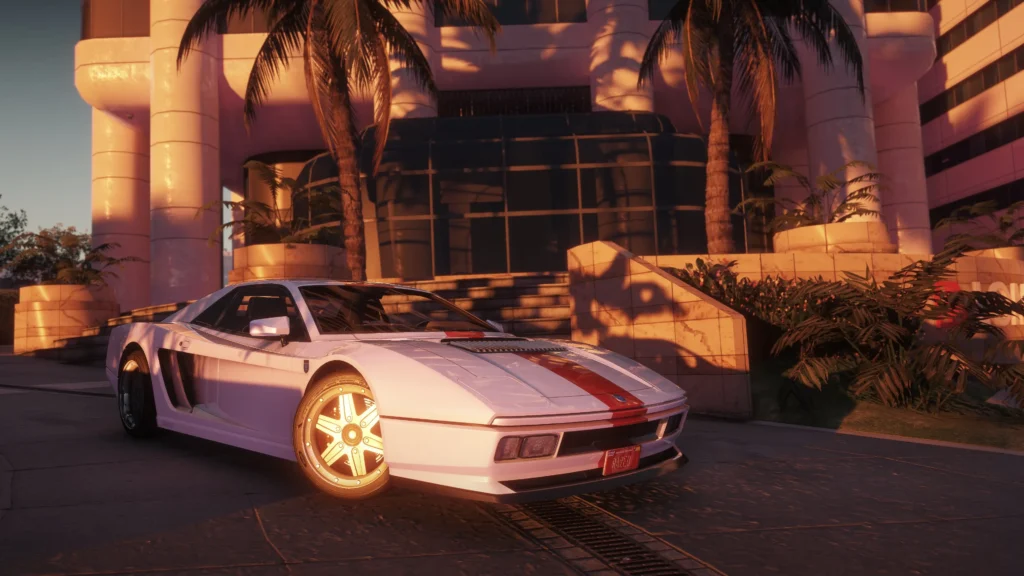
NaturalVision Enhanced (NVE) has received a substantial September 2026 update, bringing a wide range of visual upgrades to Grand Theft Auto V Enhanced Edition.
Table of Contents
Released on 17 September 2026, the update focuses heavily on physically based lighting, ray-traced effects, volumetric clouds, water rendering, vehicle materials, pedestrians, environmental detail and HDR support.
The update also gives players greater control over visual quality through the NVE Graphics menu, allowing several of the new lighting and shader features to be adjusted according to performance requirements.
Upgraded Ray-Traced Lighting and Shadows
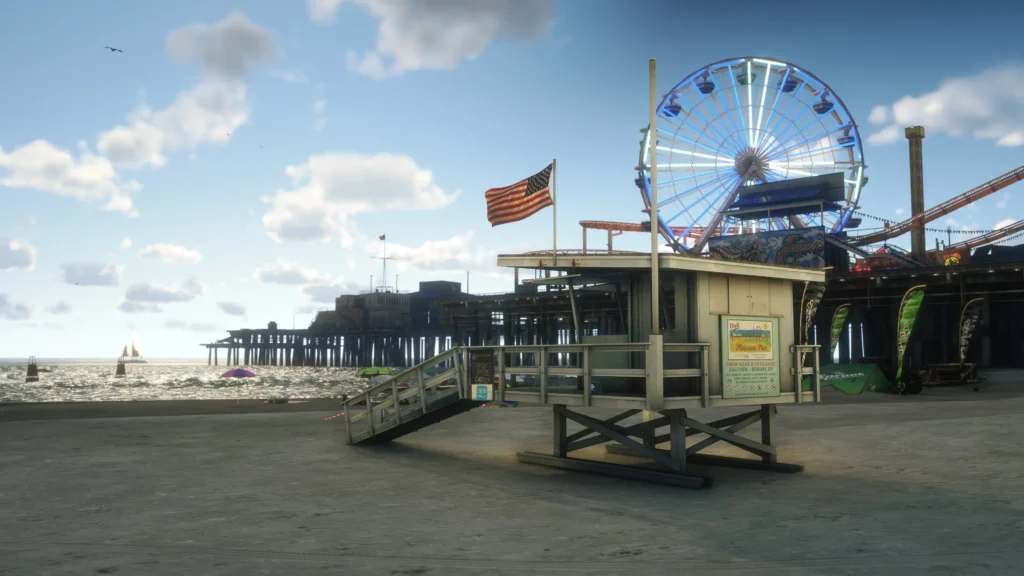
The biggest part of the September update is the overhaul of NVE’s lighting system.
The update introduces several improvements designed to make light behave more realistically throughout Los Santos, particularly in scenes with multiple sources of illumination.
Key changes include:
- Increased ray-traced light bounce distance.
- A newly added third light bounce.
- Ray-traced sky lighting.
- Implementation of A-SVGF denoising.
- New sun illumination techniques.
- Colour separation in sunlight.
- Sky-tinted shadows.
- Upgraded screen-space ambient occlusion with proper depth detection.
- New contact-shadow effects.
- New micro-shadow effects.
- Numerous additional lighting and shader improvements.
Players can also adjust the quality of various lighting settings and shaders directly through the NVE Graphics menu.
This makes the update particularly significant for users with different levels of graphics hardware, as individual effects can be tuned rather than necessarily running every feature at maximum quality.
You may like: LSPDFR for GTA 5 Enhanced & Legacy
Bloom Shaders Receive a Major Overhaul
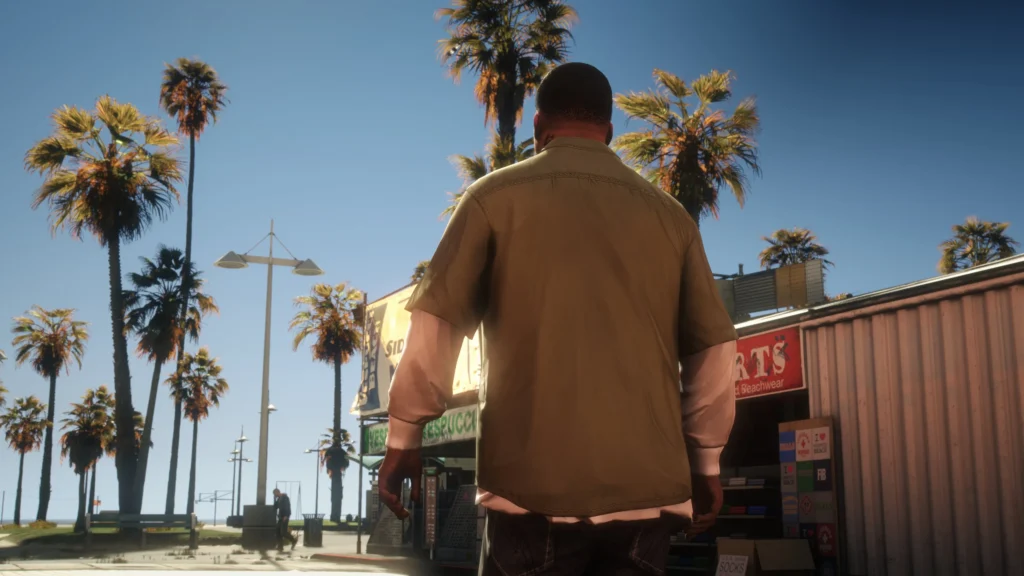
Bloom has also been reworked to produce smoother and more natural-looking light sources.
The updated bloom system includes:
- Smoother glows around bright light sources.
- Distance-based airy bloom.
- Improved halation.
- An optimised convolution bloom implementation.
- Increased performance compared with the previous implementation.
The changes are intended to make bright lights, artificial illumination and other intense highlights blend more naturally into their surroundings without relying solely on a heavy glow effect.
You may like: GTA V Ultimate Trainer
Volumetric Clouds Are Now Native to the Game Shaders
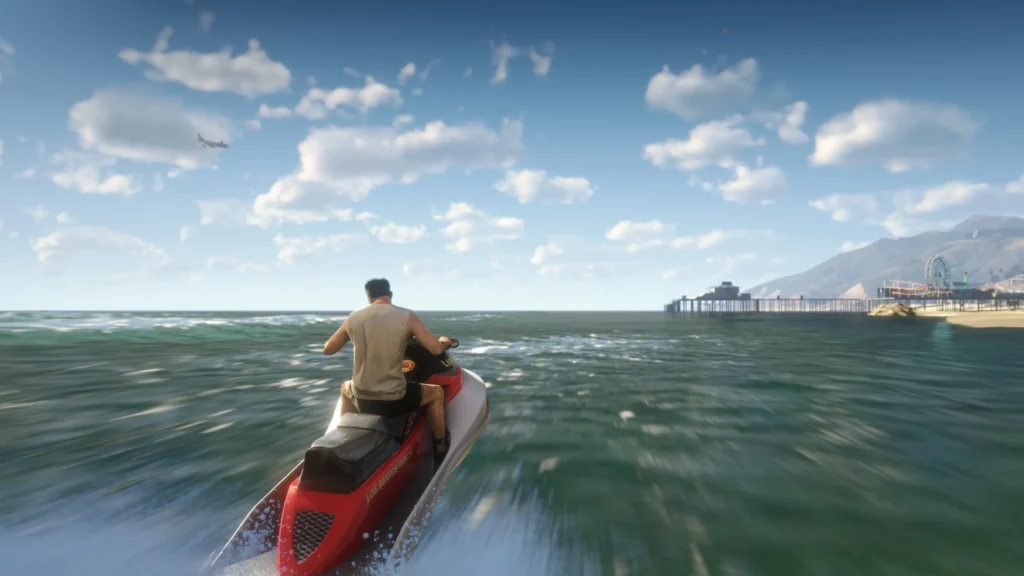
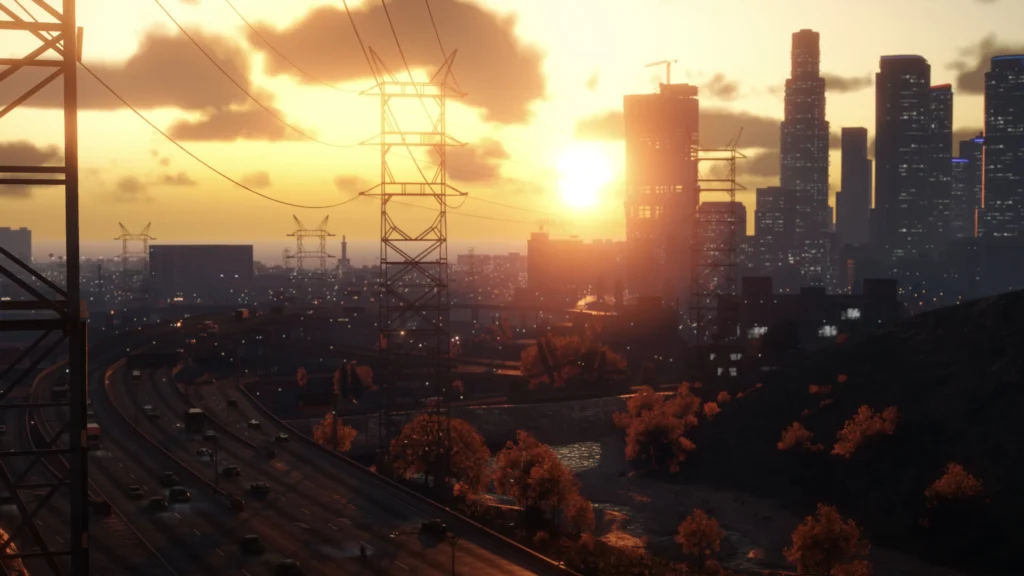
One of the most visually noticeable additions is the new volumetric cloud system.
Rather than relying on the previous approach, the updated clouds are generated natively through game shaders using procedural noise. They are also illuminated by the physical sky.
The update introduces:
- Native volumetric clouds.
- Procedural-noise cloud generation.
- Physical-sky lighting.
- Cloud reflections across surfaces.
- Reflections on vehicles and water.
- Volumetric cloud shadows across the world.
- Performance and full-quality modes.
At launch, volumetric clouds are available specifically during Cloudy weather.
The developer notes that additional weather types are planned for future updates, alongside further optimisation. Players can switch between Performance and Full modes through the NVE Graphics menu.
You may like: NaturalVision Lite GTA V Legacy
Sun and Moon Receive New Lighting Technology
The September update also substantially changes how the sun and moon are represented.
New lunar system
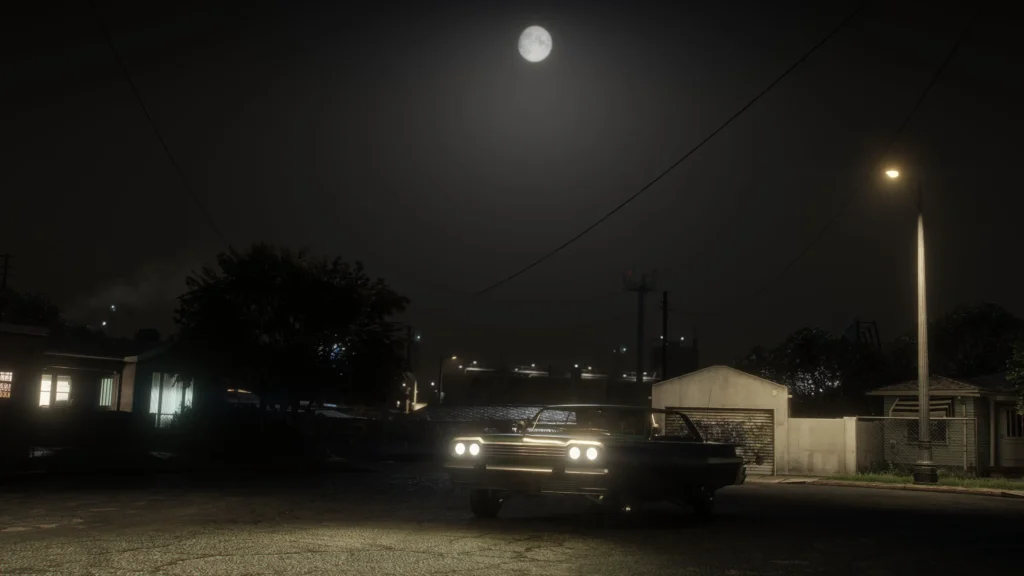
The moon now features a new lunar-phase system, giving its appearance greater physical variation throughout the game’s time cycle.
The update adds:
- Physically shaded moon discs.
- A new lunar phase system.
- Lunar aureole effects.
- Screen-space moon god rays.
- Light transmission through vegetation and foliage.
- Improved moon illumination on vehicles.
- Improved specular highlights from moonlight.
These changes should be particularly noticeable during night-time scenes, where moonlight interacts with vegetation, vehicles and reflective materials.
You may like: Native Mod Menu [ASI] (Enhanced)
Water Shaders Get New Reflections and Surface Detail
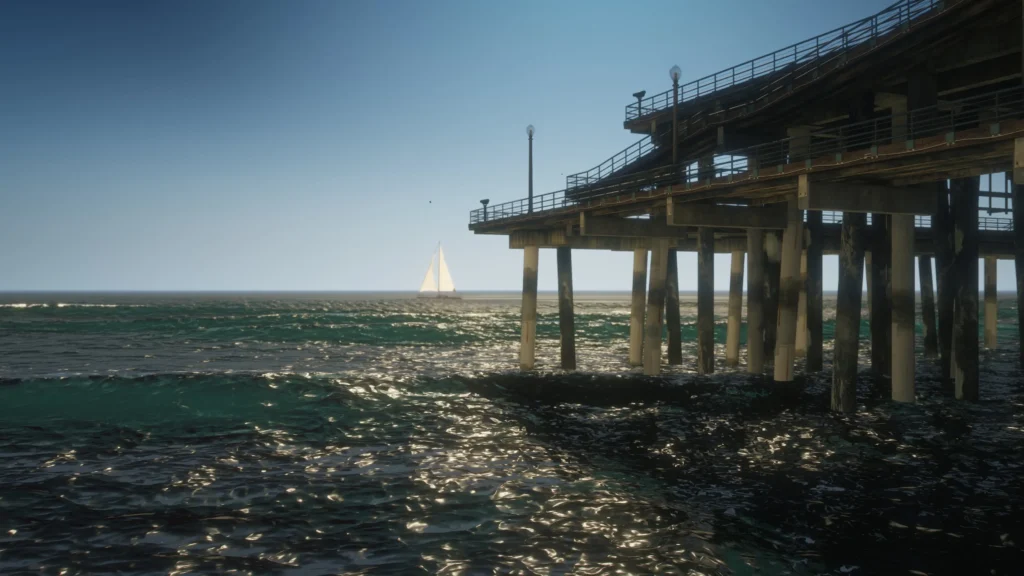
Water rendering has received another extensive upgrade.
The new water shaders introduce additional physical and surface-based effects, including:
- Directional subsurface scattering.
- Ripple parallax.
- Swell shading.
- Rain ripples across ocean water.
- A new moon-glint path.
- Improved refraction distortion.
- Adjusted water colour.
- Additional shader refinements.
The combination of improved scattering, surface displacement and reflections is designed to make oceans and other bodies of water respond more convincingly to changing lighting and weather conditions.
You may like: Script Hook V .NET Enhanced
Underwater Lighting Has Been Reworked
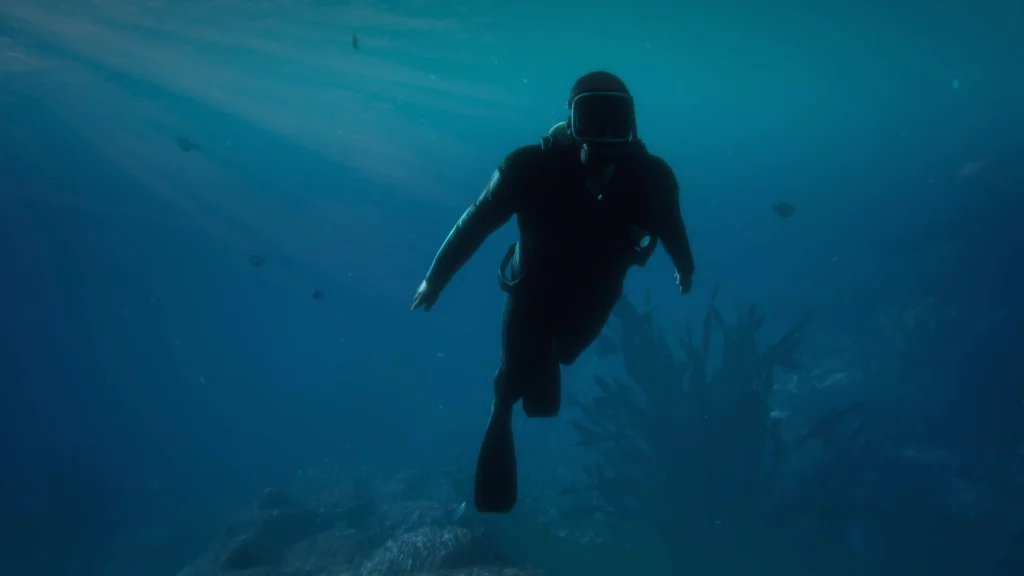
The improvements continue beneath the water’s surface with a completely new underwater lighting model.
The update introduces:
- A new underwater lighting model.
- GGX specular reflections.
- Contact shadows on underwater foliage.
- Screen-space ambient occlusion for underwater vegetation.
- Additional post-processing effects.
- Improved underwater timecycle lighting.
These changes give underwater environments their own distinct lighting behaviour rather than simply applying a modified version of the above-water lighting system.
You may like: Rampage Trainer (Enhanced & Legacy) GTA 5 Mods
Emergency Vehicle Lighting Is More Realistic
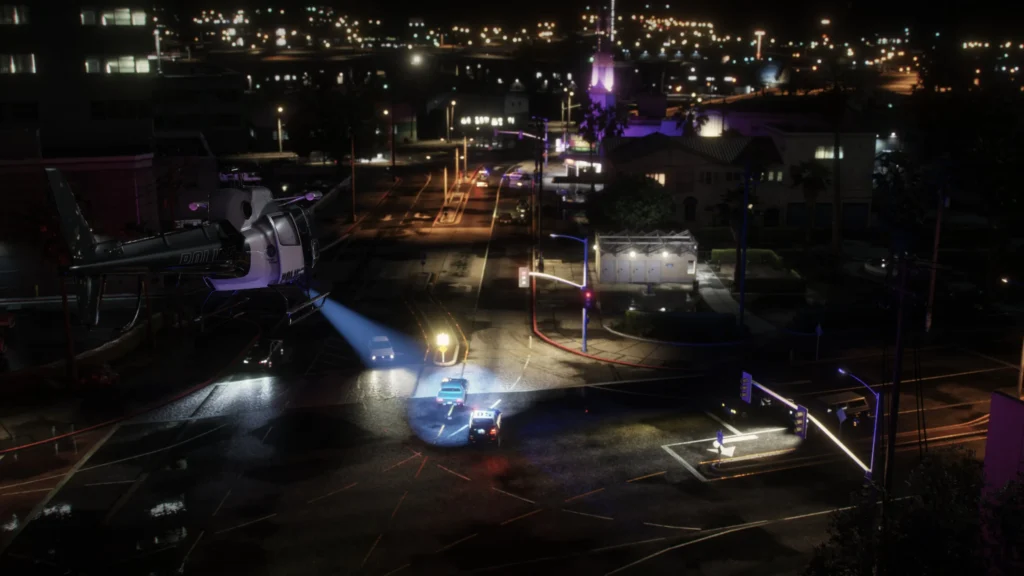
Emergency vehicles receive a dedicated lighting upgrade in the September release.
Sirens can now:
- Cast shadows.
- Reflect properly from specular surfaces.
- Interact more convincingly with nearby materials.
Users can also adjust several siren-lighting settings through the NVE Graphics menu.
This is particularly relevant during night-time gameplay, when emergency lighting can illuminate buildings, roads and vehicles around the player.
You may like: Heap Adjuster Enhanced
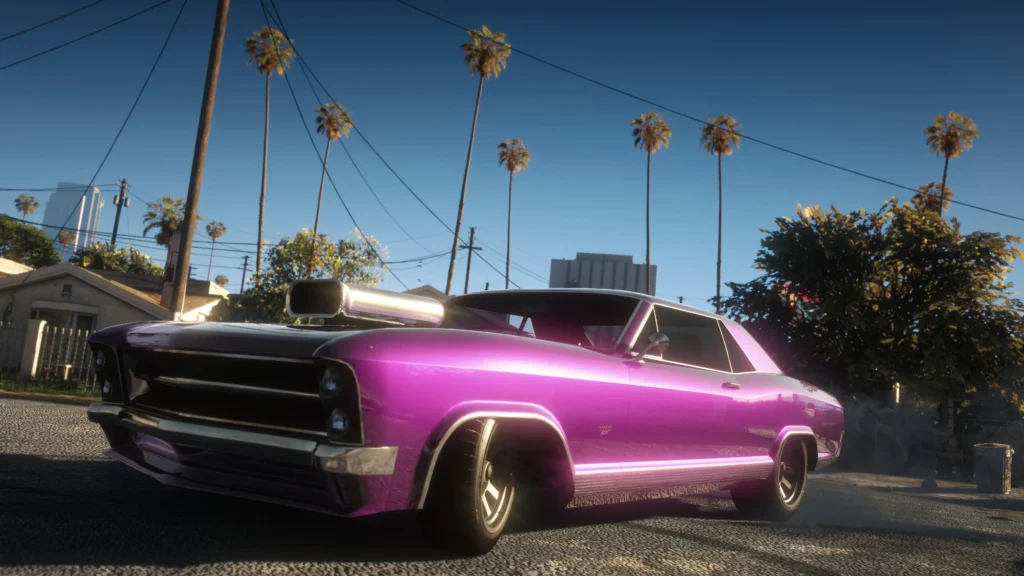
Vehicle Paint and Lighting Improvements
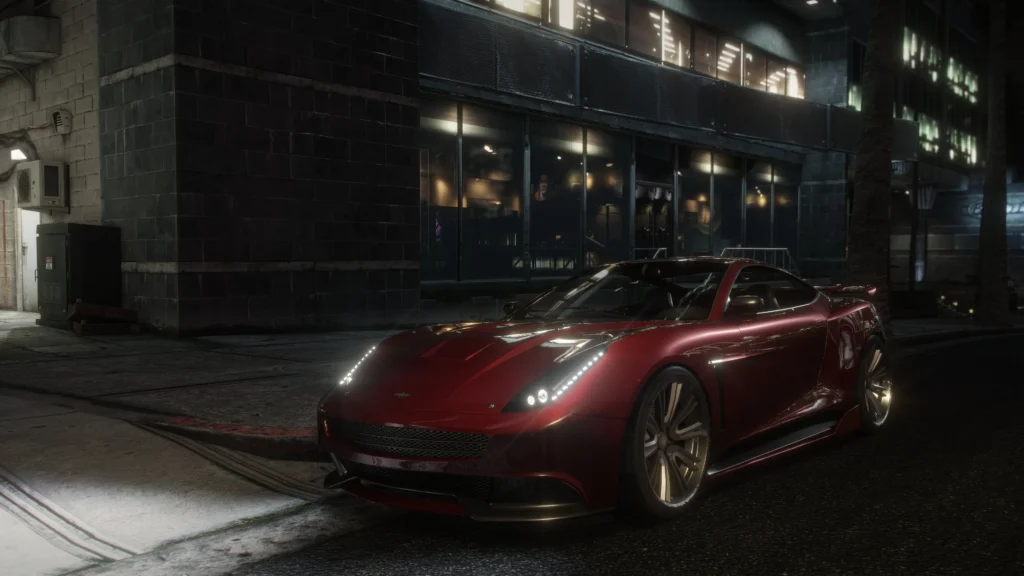
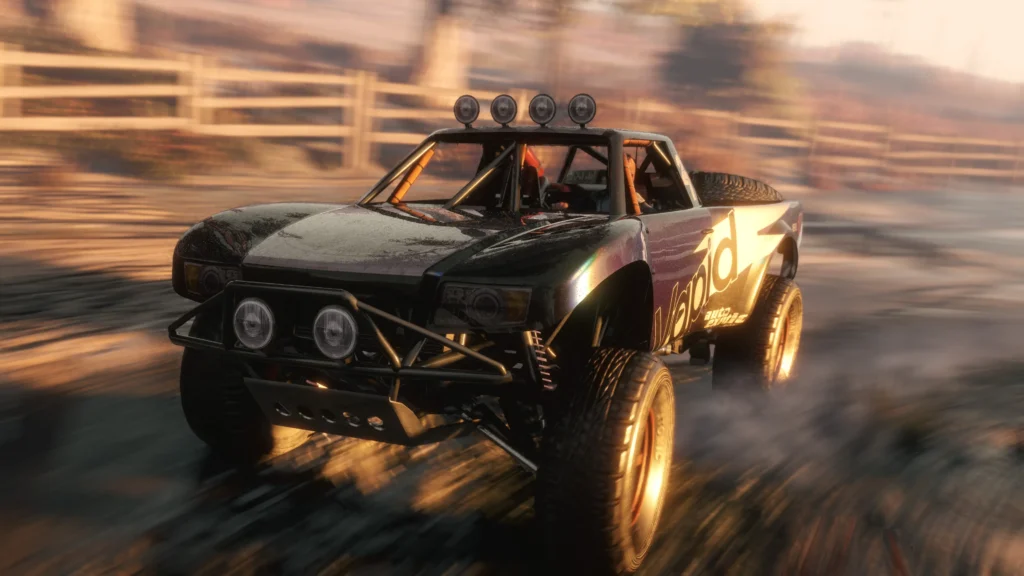
Vehicle materials have been reworked to improve the physical accuracy of paint and reflective surfaces.
The update includes:
- Improved clearcoat behaviour.
- Proper energy conservation.
- Improved Fresnel calculations.
- Improved absorption.
- Corrected specular energy.
- Better colour retention across metallic highlights.
The goal is to make vehicle paint react more consistently to different lighting conditions while reducing physically implausible behaviour in highly reflective areas.
You may like: NaturalVision Evolved Classic – GTA V Legacy
Pedestrian Lighting Gets Subsurface Scattering
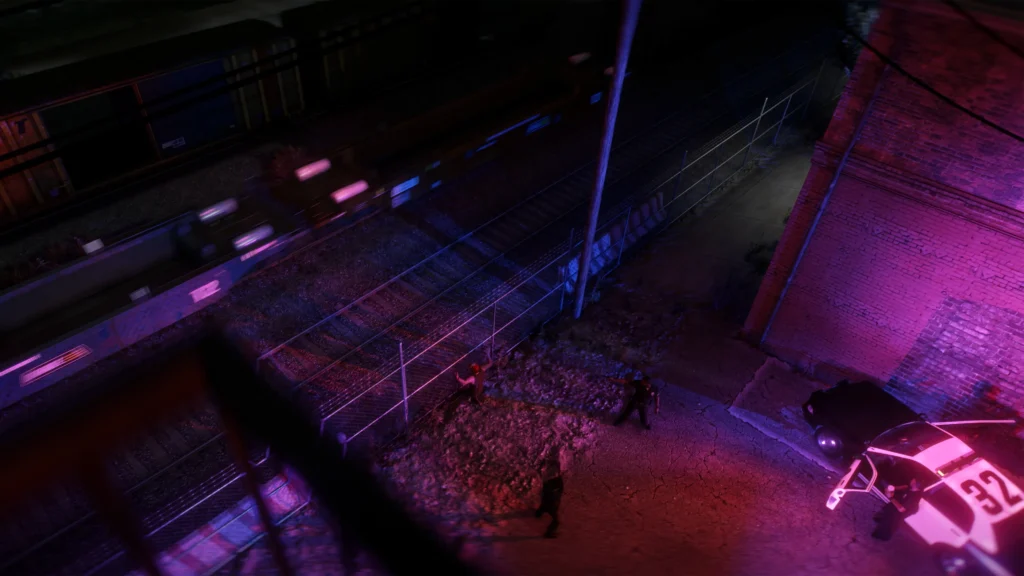
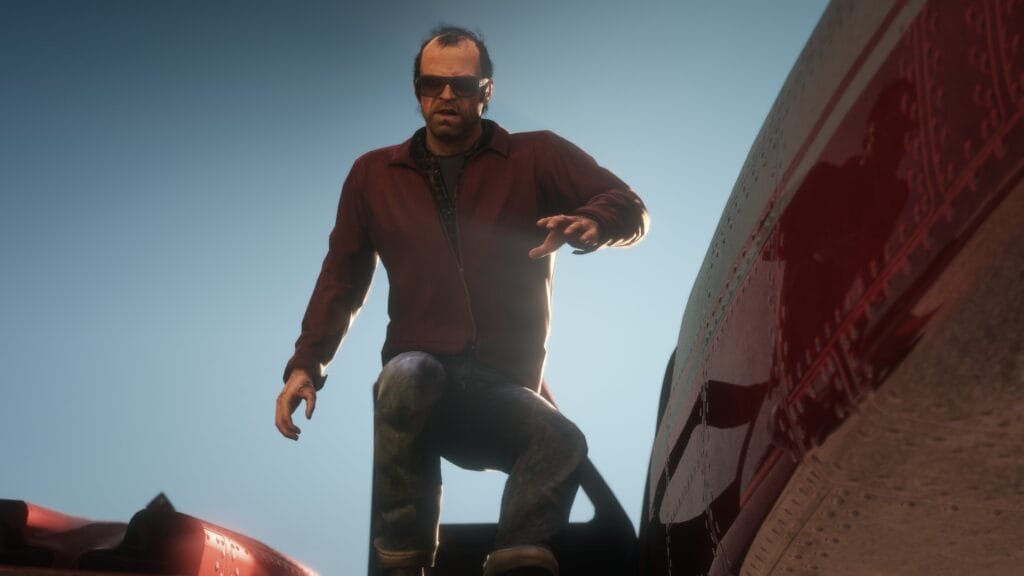
Pedestrian rendering has also been upgraded, particularly around skin and clothing materials.
The new system adds:
- Subsurface scattering.
- Light transmission through thin skin.
- Improved rim lighting.
- Improved backlighting.
- New skin shading.
- New cloth shading.
- Proper specular behaviour for individual materials.
These changes allow different pedestrian materials to respond differently to light, rather than treating skin and clothing as comparatively simple surfaces.
You may like: DLSS 5 (RenoDX DLSS)
Street Lighting Receives a Physical Accuracy Upgrade
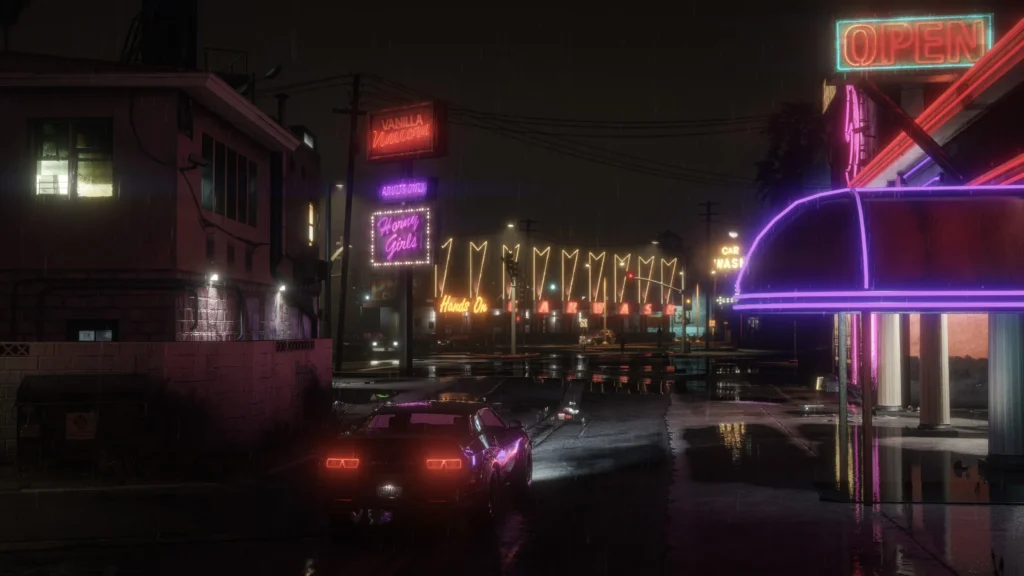
Street lighting across Los Santos has also been reworked.
The update adds:
- A more physically accurate street-lighting model.
- Improved specular lighting.
- Additional refinements to how artificial lights interact with the environment.
Together with the emergency-lighting improvements, this should make artificial illumination more consistent with the rest of NVE’s updated lighting system.
You may like: How to Check Graphic Card Specs on Windows 11
Retroreflective Road Signs and Markings
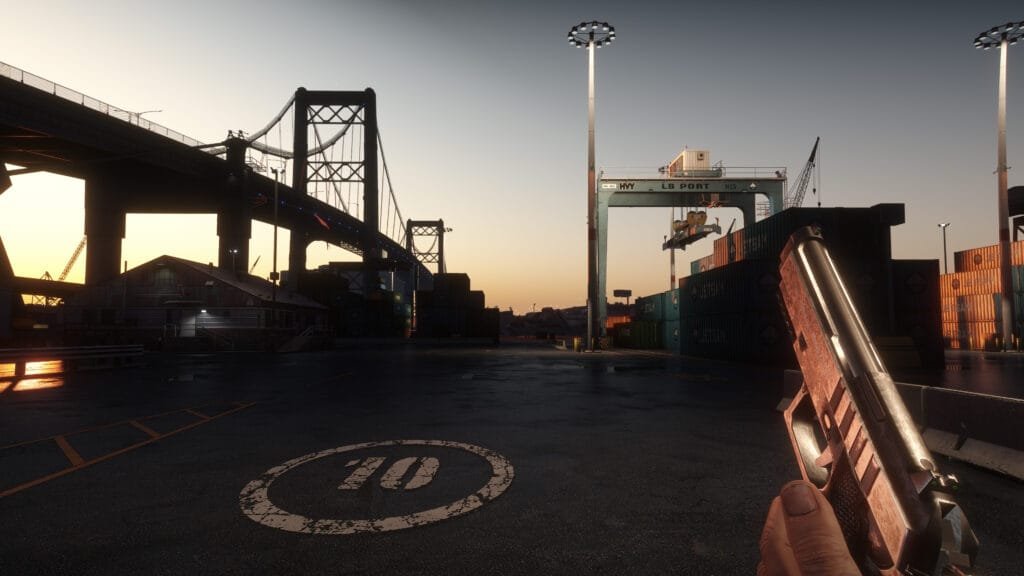
A new retroreflective system has been introduced for road infrastructure.
Road signs and road markings can now react strongly to vehicle headlights, causing them to light up when illuminated from the correct direction.
The update also includes improvements to existing road-glint technology:
- Retroreflective road glints have been reworked.
- Grazing sunlight is handled more accurately.
- Glints are prevented from appearing incorrectly in shadows.
These changes add another layer of detail to roads, particularly during night-time driving and low-angle sunlight.
You may like: Top 5 Cheapest Graphic Card’s for Live Streaming
LOD Lights Reworked Across the Map
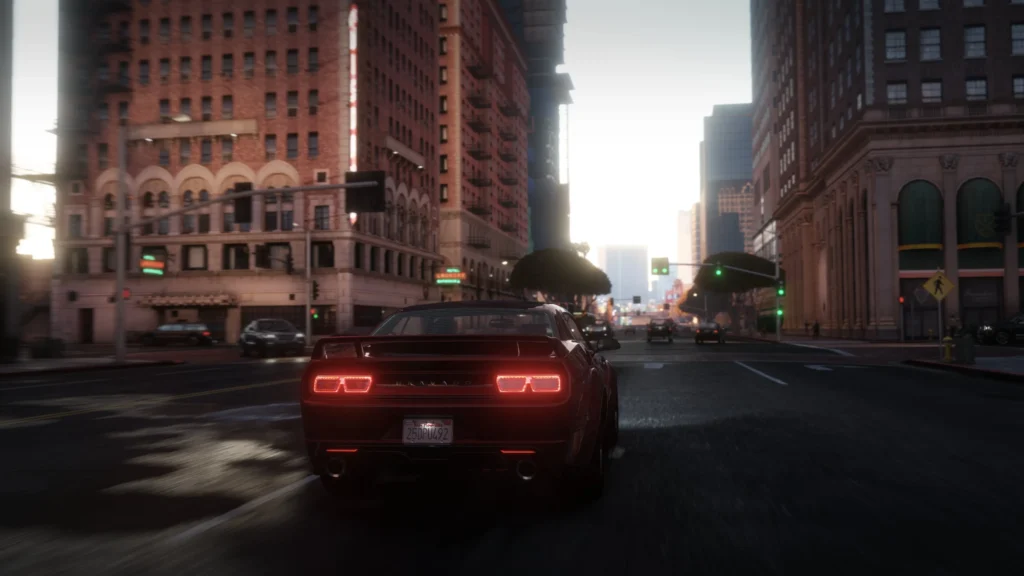
The update improves and reworks LOD lights throughout the entire map.
LOD, or Level of Detail, systems determine how environmental objects and effects are represented at different distances.
The lighting changes are therefore intended to improve the consistency of distant lights across Los Santos rather than focusing exclusively on objects close to the player.
You may like: How to Enable or Disable VSync in Games
Physical Sky Shaders Improved
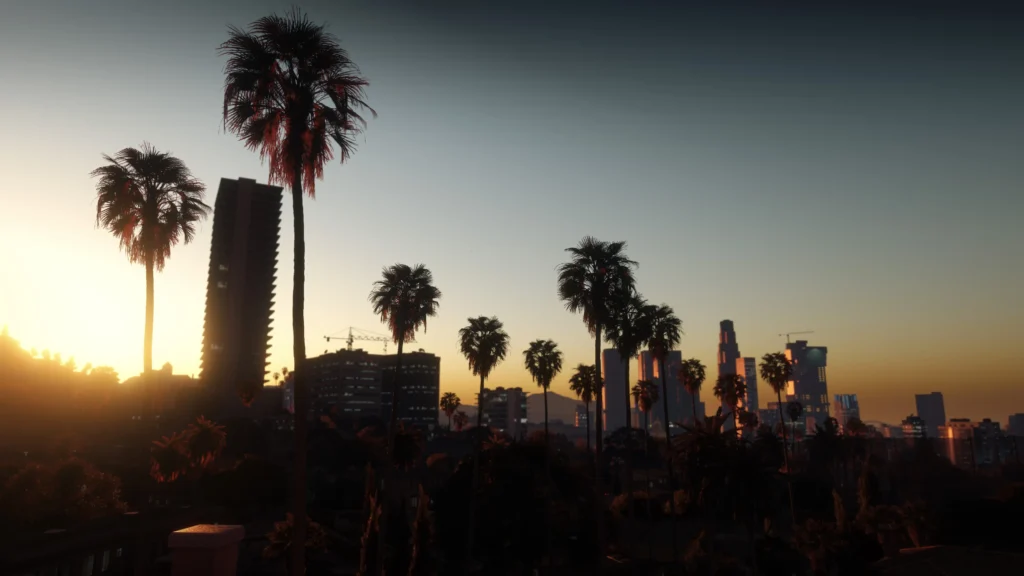
The physical sky system has also been refined.
The update includes:
- Adjustments to aerosol scattering.
- A reworked dynamic sky-vignetting technique.
- Further physical-sky shader improvements.
Aerosol scattering plays an important role in atmospheric appearance, affecting how light travels through the atmosphere and contributing to the appearance of skies, haze and distant environments.
You may like: How Much Electricity Does PC Display Monitors Consume?
New Parallax Occlusion Mapping for Roads and Ground
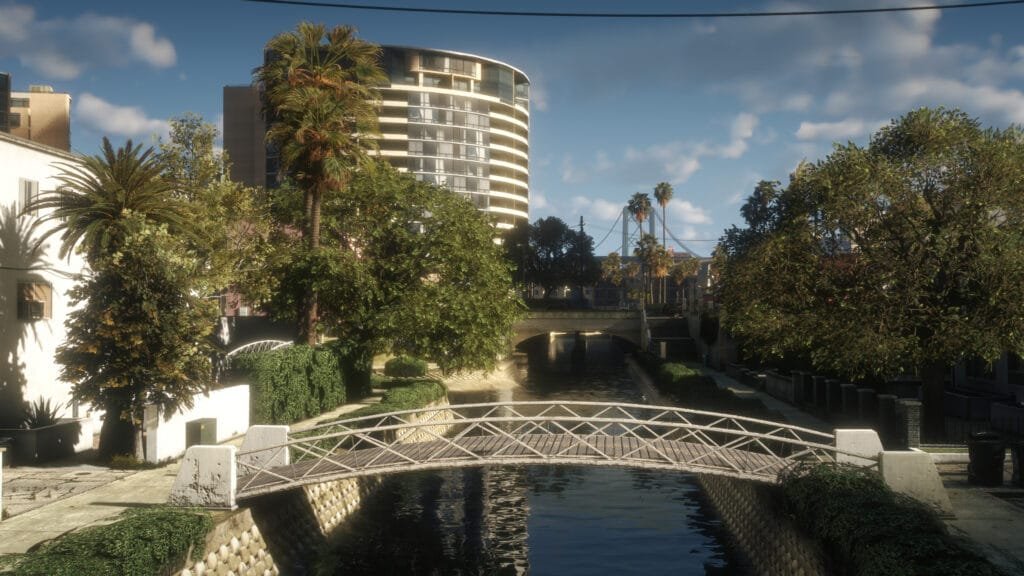
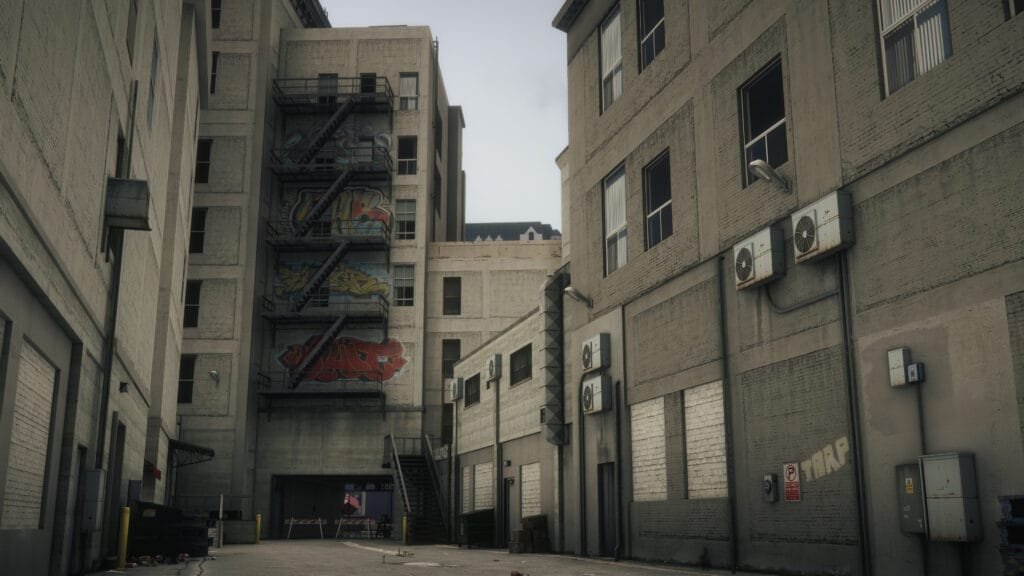
NVE now includes a parallax occlusion mapping shader for roads and ground surfaces across the map.
The technique adds an impression of depth to otherwise relatively flat textures.
This can improve the visual appearance of:
- Roads.
- Ground surfaces.
- Surface irregularities.
- Environmental materials.
Rather than simply increasing texture resolution, parallax mapping changes how the surface appears to respond to viewing angles and lighting.
You may like: How to Check DirectX Version on Windows
New Heat Haze Effect
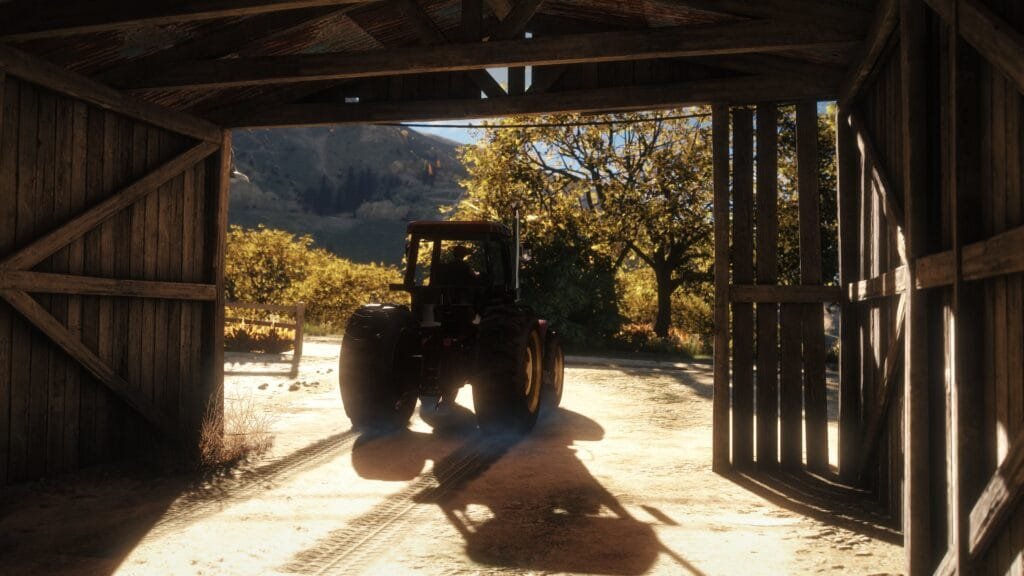
A completely new heat-haze shader has also been added.
The effect distorts the air above hot surfaces, creating a visible shimmering or boiling appearance.
The system includes:
- Heat distortion above hot surfaces.
- A boiling shimmer effect.
- Distance-based blur.
- Distortion affecting distant buildings and roads.
- Regional variation in the effect.
This provides an additional atmospheric effect for hot environments and surfaces.
You may like: List of All DirectX 12.2 Graphics Cards
HDR Support and G7 Tonemapping

Another major addition is HDR support through a custom RenoDX ReShade plugin. The update introduces G7 tonemapping, while retaining the existing Hable option.
Players can switch between:
- Hable tonemapping
- G7 tonemapping
through the HDR tab in the NVE Graphics menu.
The addition gives users more control over the final image-processing stage and expands NVE’s support for HDR-oriented displays and configurations.
You may like: Boost Your Browser’s Performance
Vegetation Has Been Reworked
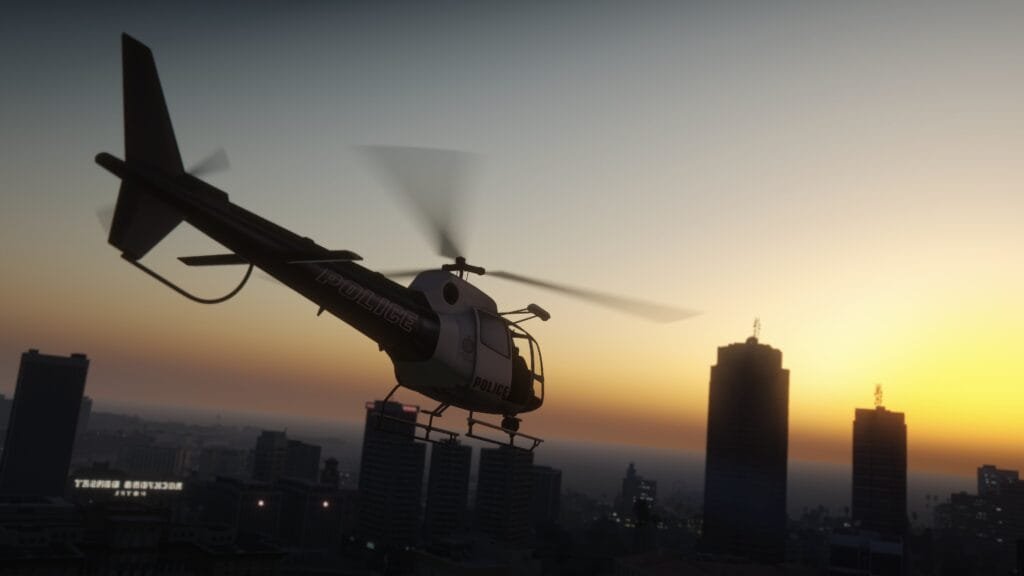
Environmental vegetation has not been overlooked in the September release.
The update includes:
- Reworked previously created vegetation.
- New hedges around Downtown Los Santos.
- New hedges around Michael’s home in Rockford Hills.
These changes add further environmental detail to areas that players frequently encounter, particularly around residential and urban locations.
You may like: What is Microsoft Visual C++ Redistributable?
NVE Graphics Menu Gives Players More Control
A recurring theme throughout the September update is user control.
Rather than making every new effect mandatory at one fixed quality level, several features can be configured through the in-game NVE Graphics menu.
| Feature | User control |
|---|---|
| Ray-traced lighting | Quality options |
| Lighting shaders | Quality options |
| Bloom | Configurable effects |
| Volumetric clouds | Performance / Full |
| Emergency lighting | Siren-lighting settings |
| HDR | Hable / G7 tonemapping |
This approach allows users to balance visual quality against performance according to their own hardware and preferences.
You may like: How to Close Conflicting Background Softwares
What the September Update Changes Overall
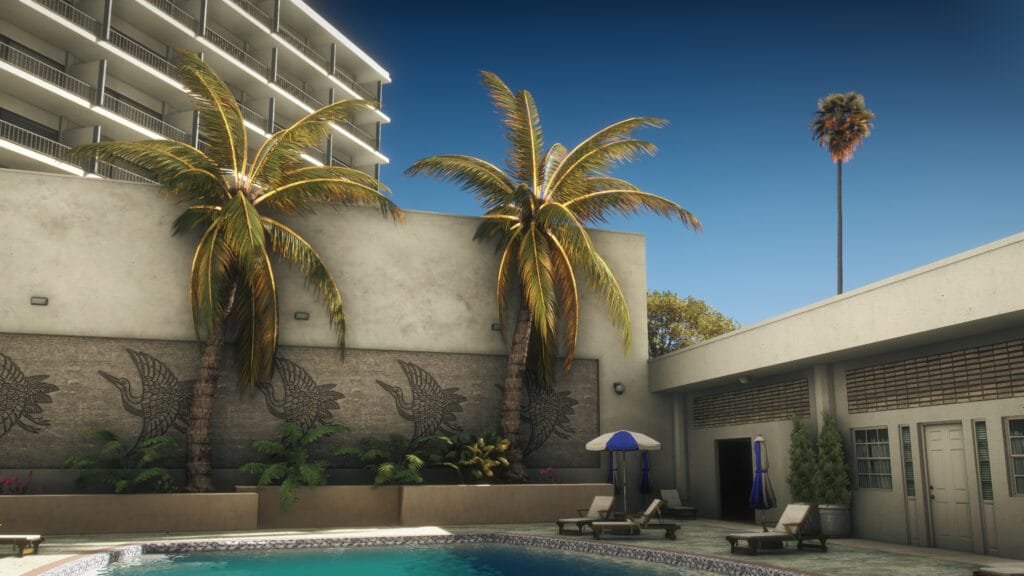
The September 17th update represents a broad rendering overhaul rather than a single isolated graphical feature.
The major areas affected are:
- Global illumination: more ray-traced light bounces and sky lighting.
- Shadows: contact shadows, micro shadows and improved depth handling.
- Atmosphere: physical sky refinements, volumetric clouds and heat haze.
- Water: improved scattering, refraction, ripples and moon reflections.
- Night-time visuals: upgraded moonlight, street lighting and emergency lighting.
- Materials: improved vehicle paint, pedestrian skin and cloth shading.
- Roads: retroreflective signs, markings and improved surface depth.
- Post-processing: upgraded bloom and HDR/G7 tonemapping.
- Environment: revised vegetation and additional hedges.
- Performance: new quality controls and optimisation work.
You may like: How to Check your Memory (RAM) Details?
Future Updates
The September release is also not the end of the work on the new systems.
In particular, the volumetric-cloud system is currently limited to Cloudy weather, with the plan to expand it to other weather types in future updates.
Further optimisation is also planned for the volumetric cloud implementation.
This suggests that the September release is establishing the foundation for additional weather and atmospheric improvements rather than representing the final implementation of every new shader system.
You may like: How to Monitor In-Game FPS
Final Thoughts
The 17 September 2026 NaturalVision Enhanced update is one of the mod’s broadest graphical revisions, touching almost every major part of Grand Theft Auto V’s rendering pipeline.
From three-bounce ray-traced lighting and physically shaded moon phases to volumetric clouds, underwater rendering, retroreflective roads, vehicle materials, pedestrian shading and HDR support, the update significantly expands the range of visual techniques available to NVE.
With the addition of configurable settings through the NVE Graphics menu, users can also tailor many of these effects to their preferred balance between image quality and performance.
As volumetric clouds are expanded to additional weather types and further optimisation continues, the September release provides a substantial new foundation for NVE’s visual development going forward.
Download Section
You can obtain latest NaturalVision Enhanced (NVE) from here:
Recommended Post: Buy GTA 5 at Discount 2026
September 17th, 2026 Update at a Glance
| Area | Major changes |
|---|---|
| Lighting | Upgraded ray-traced lighting, shadows, ambient occlusion and contact shadows |
| Bloom | Smoother glows, improved halation and performance optimisation |
| Clouds | Native volumetric clouds with physical-sky lighting and world shadows |
| Sun & Moon | New lunar phases, moon lighting and atmospheric effects |
| Water | Improved scattering, ripples, refraction and moon reflections |
| Underwater | New lighting model, foliage shadows and post-processing |
| Emergency lighting | More realistic siren shadows and reflections |
| Vehicles | Improved paint, clearcoat, Fresnel and metallic highlights |
| Pedestrians | New skin, cloth and subsurface-scattering improvements |
| Roads | Retroreflective signs, markings and improved road glints |
| Environment | New parallax mapping, vegetation and heat haze |
| HDR | HDR support with G7 tonemapping through RenoDX ReShade |
| Optimisation | Multiple performance improvements, fixes and tweaks |