

Explore the full list of Windows Keyboard Virtual-Key Codes with their symbolic constant names, decimal values, and key equivalents. Find key mappings for function keys, arrow keys, media controls, PlayStation and Xbox Controller Mapping, and more.
Table of Contents
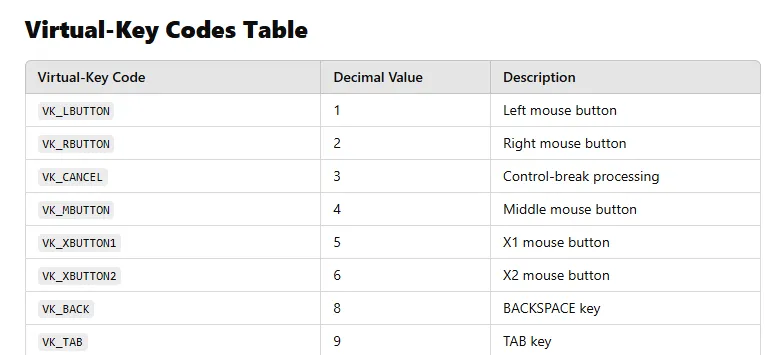
Windows uses Virtual-Key Codes to identify keyboard and mouse inputs. These codes are essential for developers working with keyboard events, input handling, and automation. Below is a complete list of Virtual-Key Codes, their decimal values, and their corresponding keys.
Virtual-Key Codes with Decimal Value (PC)
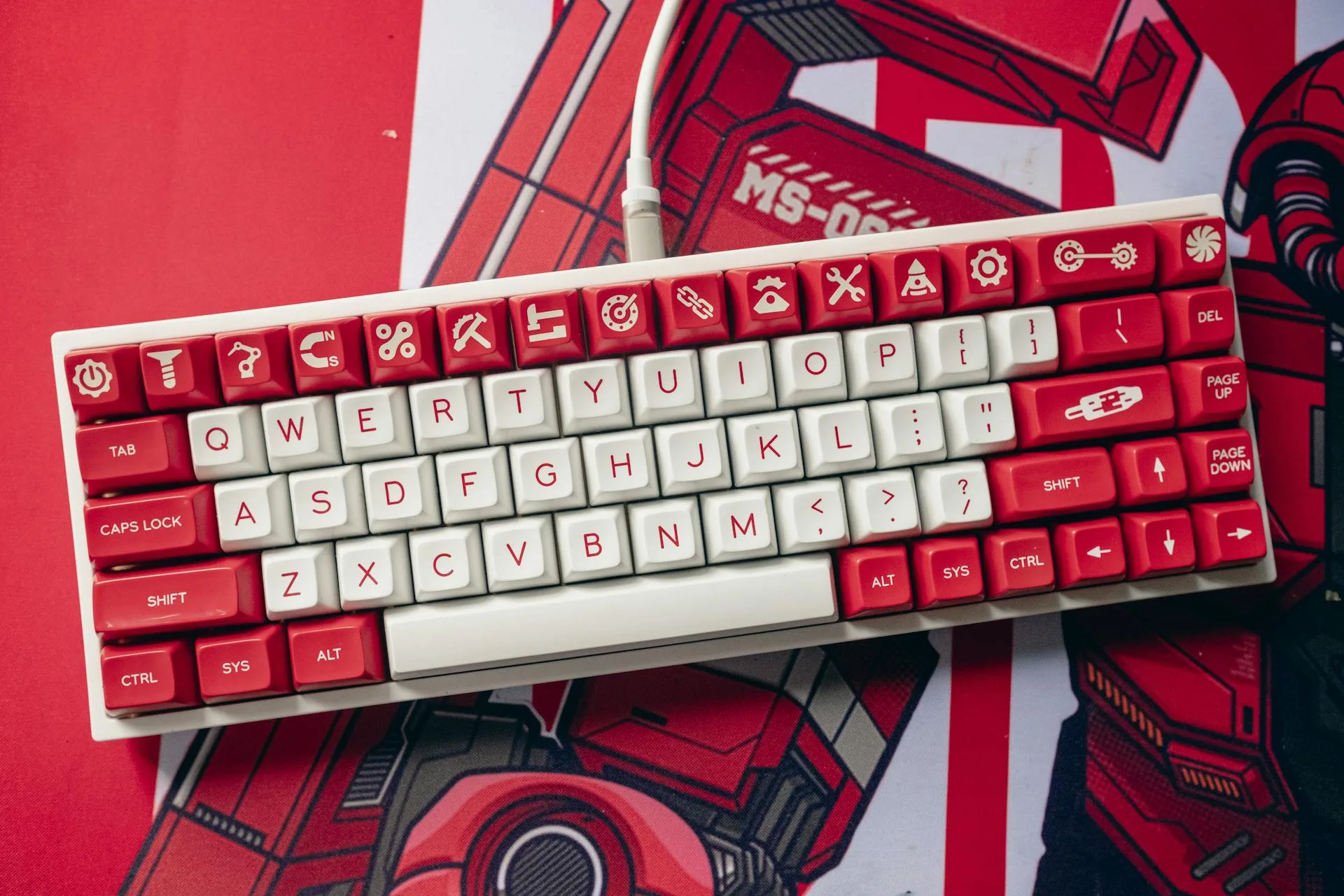
Here is a list of Keyboard Virtual-Key Codes with their symbolic constant names, decimal values, and equivalent mouse or keyboard actions for Windows-based computer and laptops:
| Symbolic constant name | Value (decimal) | Mouse or keyboard equivalent |
|---|---|---|
| VK_LBUTTON | 1 | Left mouse button |
| VK_RBUTTON | 2 | Right mouse button |
| VK_CANCEL | 3 | Control-break processing |
| VK_MBUTTON | 4 | Middle mouse button (three-button mouse) |
| VK_XBUTTON1 | 5 | Windows 2000: X1 mouse button |
| VK_XBUTTON2 | 6 | Windows 2000: X2 mouse button |
| — | 7 | Undefined |
| VK_BACK | 8 | BACKSPACE key |
| VK_TAB | 9 | TAB key |
| — | 10–11 | Reserved |
| VK_CLEAR | 12 | CLEAR key |
| VK_RETURN | 13 | ENTER key |
| — | 14–15 | Undefined |
| VK_SHIFT | 16 | SHIFT key |
| VK_CONTROL | 17 | CTRL key |
| VK_MENU | 18 | ALT key |
| VK_PAUSE | 19 | PAUSE key |
| VK_CAPITAL | 20 | CAPS LOCK key |
| VK_KANA | 21 | IME Kana mode |
| VK_HANGUEL | 21 | IME Hanguel mode (maintained for compatibility; use VK_HANGUL) |
| VK_HANGUL | 21 | IME Hangul mode |
| — | 22 | Undefined |
| VK_JUNJA | 23 | IME Junja mode |
| VK_FINAL | 24 | IME final mode |
| VK_HANJA | 25 | IME Hanja mode |
| VK_KANJI | 25 | IME Kanji mode |
| — | 26 | Undefined |
| VK_ESCAPE | 27 | ESC key |
| VK_CONVERT | 28 | IME convert |
| VK_NONCONVERT | 29 | IME nonconvert |
| VK_ACCEPT | 30 | IME accept |
| VK_MODECHANGE | 31 | IME mode change request |
| VK_SPACE | 32 | SPACEBAR |
| VK_PRIOR | 33 | PAGE UP key |
| VK_NEXT | 34 | PAGE DOWN key |
| VK_END | 35 | END key |
| VK_HOME | 36 | HOME key |
| VK_LEFT | 37 | LEFT ARROW key |
| VK_UP | 38 | UP ARROW key |
| VK_RIGHT | 39 | RIGHT ARROW key |
| VK_DOWN | 40 | DOWN ARROW key |
| VK_SELECT | 41 | SELECT key |
| VK_PRINT | 42 | PRINT key |
| VK_EXECUTE | 43 | EXECUTE key |
| VK_SNAPSHOT | 44 | PRINT SCREEN key |
| VK_INSERT | 45 | INS key |
| VK_DELETE | 46 | DEL key |
| VK_HELP | 47 | HELP key |
| 48 | 0 key | |
| 49 | 1 key | |
| 50 | 2 key | |
| 51 | 3 key | |
| 52 | 4 key | |
| 53 | 5 key | |
| 54 | 6 key | |
| 55 | 7 key | |
| 56 | 8 key | |
| 57 | 9 key | |
| — | 58–64 | Undefined |
| 65 | A key | |
| 66 | B key | |
| 67 | C key | |
| 68 | D key | |
| 69 | E key | |
| 70 | F key | |
| 71 | G key | |
| 72 | H key | |
| 73 | I key | |
| 74 | J key | |
| 75 | K key | |
| 76 | L key | |
| 77 | M key | |
| 78 | N key | |
| 79 | O key | |
| 80 | P key | |
| 81 | Q key | |
| 82 | R key | |
| 83 | S key | |
| 84 | T key | |
| 85 | U key | |
| 86 | V key | |
| 87 | W key | |
| 88 | X key | |
| 89 | Y key | |
| 90 | Z key | |
| VK_LWIN | 91 | Left Windows key (Microsoft® Natural® keyboard) |
| VK_RWIN | 92 | Right Windows key (Natural keyboard) |
| VK_APPS | 93 | Applications key (Natural keyboard) |
| — | 94 | Reserved |
| VK_SLEEP | 95 | Computer Sleep key |
| VK_NUMPAD0 | 96 | Numeric keypad 0 key |
| VK_NUMPAD1 | 97 | Numeric keypad 1 key |
| VK_NUMPAD2 | 98 | Numeric keypad 2 key |
| VK_NUMPAD3 | 99 | Numeric keypad 3 key |
| VK_NUMPAD4 | 100 | Numeric keypad 4 key |
| VK_NUMPAD5 | 101 | Numeric keypad 5 key |
| VK_NUMPAD6 | 102 | Numeric keypad 6 key |
| VK_NUMPAD7 | 103 | Numeric keypad 7 key |
| VK_NUMPAD8 | 104 | Numeric keypad 8 key |
| VK_NUMPAD9 | 105 | Numeric keypad 9 key |
| VK_MULTIPLY | 106 | Multiply key |
| VK_ADD | 107 | Add key |
| VK_SEPARATOR | 108 | Separator key |
| VK_SUBTRACT | 109 | Subtract key |
| VK_DECIMAL | 110 | Decimal key |
| VK_DIVIDE | 111 | Divide key |
| VK_F1 | 112 | F1 key |
| VK_F2 | 113 | F2 key |
| VK_F3 | 114 | F3 key |
| VK_F4 | 115 | F4 key |
| VK_F5 | 116 | F5 key |
| VK_F6 | 117 | F6 key |
| VK_F7 | 118 | F7 key |
| VK_F8 | 119 | F8 key |
| VK_F9 | 120 | F9 key |
| VK_F10 | 121 | F10 key |
| VK_F11 | 122 | F11 key |
| VK_F12 | 123 | F12 key |
| VK_F13 | 124 | F13 key |
| VK_F14 | 125 | F14 key |
| VK_F15 | 126 | F15 key |
| VK_F16 | 127 | F16 key |
| VK_F17 | 128H | F17 key |
| VK_F18 | 129H | F18 key |
| VK_F19 | 130H | F19 key |
| VK_F20 | 131H | F20 key |
| VK_F21 | 132H | F21 key |
| VK_F22 | 133H | F22 key |
| VK_F23 | 134H | F23 key |
| VK_F24 | 135H | F24 key |
| — | 136–143 | Unassigned |
| VK_NUMLOCK | 144 | NUM LOCK key |
| VK_SCROLL | 145 | SCROLL LOCK key |
| 146–150 | OEM specific | |
| — | 151–159 | Unassigned |
| VK_LSHIFT | 160 | Left SHIFT key |
| VK_RSHIFT | 161 | Right SHIFT key |
| VK_LCONTROL | 162 | Left CONTROL key |
| VK_RCONTROL | 163 | Right CONTROL key |
| VK_LMENU | 164 | Left MENU key |
| VK_RMENU | 165 | Right MENU key |
| VK_BROWSER_BACK | 166 | Windows 2000: Browser Back key |
| VK_BROWSER_FORWARD | 167 | Windows 2000: Browser Forward key |
| VK_BROWSER_REFRESH | 168 | Windows 2000: Browser Refresh key |
| VK_BROWSER_STOP | 169 | Windows 2000: Browser Stop key |
| VK_BROWSER_SEARCH | 170 | Windows 2000: Browser Search key |
| VK_BROWSER_FAVORITES | 171 | Windows 2000: Browser Favorites key |
| VK_BROWSER_HOME | 172 | Windows 2000: Browser Start and Home key |
| VK_VOLUME_MUTE | 173 | Windows 2000: Volume Mute key |
| VK_VOLUME_DOWN | 174 | Windows 2000: Volume Down key |
| VK_VOLUME_UP | 175 | Windows 2000: Volume Up key |
| VK_MEDIA_NEXT_TRACK | 176 | Windows 2000: Next Track key |
| VK_MEDIA_PREV_TRACK | 177 | Windows 2000: Previous Track key |
| VK_MEDIA_STOP | 178 | Windows 2000: Stop Media key |
| VK_MEDIA_PLAY_PAUSE | 179 | Windows 2000: Play/Pause Media key |
| VK_LAUNCH_MAIL | 180 | Windows 2000: Start Mail key |
| VK_LAUNCH_MEDIA_SELECT | 181 | Windows 2000: Select Media key |
| VK_LAUNCH_APP1 | 182 | Windows 2000: Start Application 1 key |
| VK_LAUNCH_APP2 | 183 | Windows 2000: Start Application 2 key |
| — | 184-185 | Reserved |
| VK_OEM_1 | 186 | Windows 2000: For the US standard keyboard, the ‘;:’ key |
| VK_OEM_PLUS | 187 | Windows 2000: For any country/region, the ‘+’ key |
| VK_OEM_COMMA | 188 | Windows 2000: For any country/region, the ‘,’ key |
| VK_OEM_MINUS | 189 | Windows 2000: For any country/region, the ‘-‘ key |
| VK_OEM_PERIOD | 190 | Windows 2000: For any country/region, the ‘.’ key |
| VK_OEM_2 | 191 | Windows 2000: For the US standard keyboard, the ‘/?’ key |
| VK_OEM_3 | 192 | Windows 2000: For the US standard keyboard, the ‘`~’ key |
| — | 193–215 | Reserved |
| — | 216–218 | Unassigned |
| VK_OEM_4 | 219 | Windows 2000: For the US standard keyboard, the ‘[{‘ key |
| VK_OEM_5 | 220 | Windows 2000: For the US standard keyboard, the ‘\|’ key |
| VK_OEM_6 | 221 | Windows 2000: For the US standard keyboard, the ‘]}’ key |
| VK_OEM_7 | 222 | Windows 2000: For the US standard keyboard, the ‘single-quote/double-quote’ key |
| VK_OEM_8 | 223 | |
| — | 224 | Reserved |
| 225 | OEM specific | |
| VK_OEM_102 | 226 | Windows 2000: Either the angle bracket key or the backslash key on the RT 102-key keyboard |
| 227–228 | OEM specific | |
| VK_PROCESSKEY | 229 | Windows 95/98, Windows NT 4.0, Windows 2000: IME PROCESS key |
| 230 | OEM specific | |
| VK_PACKET | 231 | Windows 2000: Used to pass Unicode characters as if they were keystrokes. The VK_PACKET key is the low word of a 32-bit Virtual Key value used for non-keyboard input methods. For more information, see Remark in KEYBDINPUT, SendInput, WM_KEYDOWN, and WM_KEYUP |
| — | 232 | Unassigned |
| 233–245 | OEM specific | |
| VK_ATTN | 246 | Attn key |
| VK_CRSEL | 247 | CrSel key |
| VK_EXSEL | 248 | ExSel key |
| VK_EREOF | 249 | Erase EOF key |
| VK_PLAY | 250 | Play key |
| VK_ZOOM | 251 | Zoom key |
| VK_NONAME | 252 | Reserved for future use |
| VK_PA1 | 253 | PA1 key |
| VK_OEM_CLEAR | 254 | Clear key |
Virtual-Key Codes with Decimal Value (Gamepad Controllers)
This section shares Windows assigns Virtual-Key (VK) codes to keyboard keys and some gamepad buttons. For controllers, only certain buttons have official VK codes (mainly via XInput on Windows). PlayStation controllers on Windows typically map through XInput (if supported) or DirectInput, which uses different button IDs rather than standard VK codes.
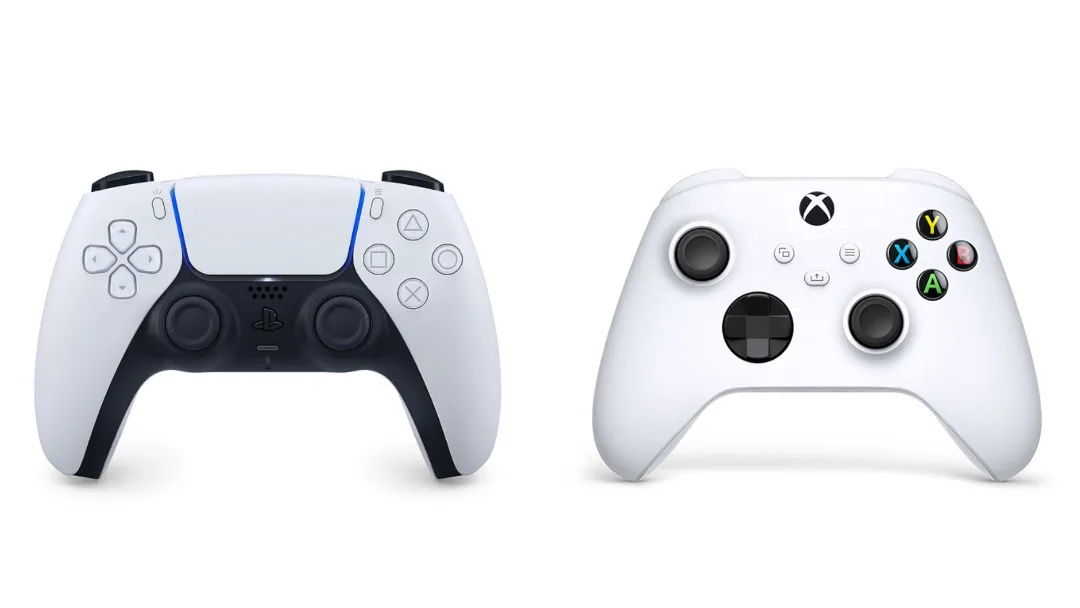
Below are the relevant decimal VK values used in Windows for Xbox/PlayStation controllers (when mapped as XInput devices). We have also included Layout (Reference) for both PlayStation and Xbox controllers.
Gamepad Virtual-Key Codes (Windows)
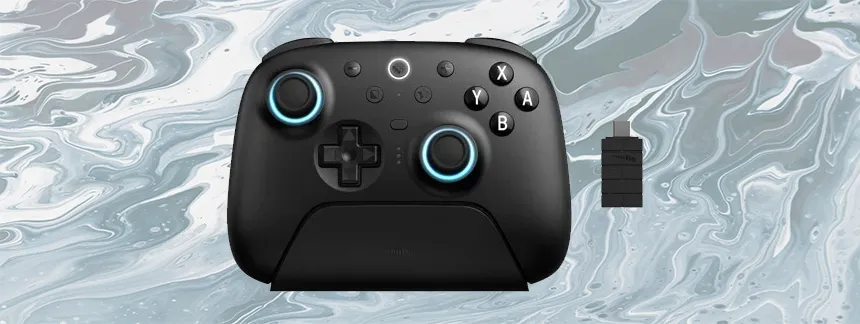
These are defined by the Windows API (Winuser.h) and apply to Xbox controllers and PlayStation controllers using XInput mapping.
| Button | VK Constant | Decimal | Hex |
|---|---|---|---|
| D-Pad Up | VK_GAMEPAD_DPAD_UP | 201 | 0xC9 |
| D-Pad Down | VK_GAMEPAD_DPAD_DOWN | 202 | 0xCA |
| D-Pad Left | VK_GAMEPAD_DPAD_LEFT | 203 | 0xCB |
| D-Pad Right | VK_GAMEPAD_DPAD_RIGHT | 204 | 0xCC |
| Menu (Start) | VK_GAMEPAD_MENU | 207 | 0xCF |
| View (Back) | VK_GAMEPAD_VIEW | 206 | 0xCE |
| A | VK_GAMEPAD_A | 195 | 0xC3 |
| B | VK_GAMEPAD_B | 196 | 0xC4 |
| X | VK_GAMEPAD_X | 197 | 0xC5 |
| Y | VK_GAMEPAD_Y | 198 | 0xC6 |
| Right Shoulder (RB) | VK_GAMEPAD_RIGHT_SHOULDER | 199 | 0xC7 |
| Left Shoulder (LB) | VK_GAMEPAD_LEFT_SHOULDER | 200 | 0xC8 |
| Left Trigger | VK_GAMEPAD_LEFT_TRIGGER | 193 | 0xC1 |
| Right Trigger | VK_GAMEPAD_RIGHT_TRIGGER | 194 | 0xC2 |
| Left Thumbstick Button | VK_GAMEPAD_LEFT_THUMBSTICK_BUTTON | 209 | 0xD1 |
| Right Thumbstick Button | VK_GAMEPAD_RIGHT_THUMBSTICK_BUTTON | 210 | 0xD2 |
| Left Thumbstick Up | VK_GAMEPAD_LEFT_THUMBSTICK_UP | 211 | 0xD3 |
| Left Thumbstick Down | VK_GAMEPAD_LEFT_THUMBSTICK_DOWN | 212 | 0xD4 |
| Left Thumbstick Right | VK_GAMEPAD_LEFT_THUMBSTICK_RIGHT | 213 | 0xD5 |
| Left Thumbstick Left | VK_GAMEPAD_LEFT_THUMBSTICK_LEFT | 214 | 0xD6 |
| Right Thumbstick Up | VK_GAMEPAD_RIGHT_THUMBSTICK_UP | 215 | 0xD7 |
| Right Thumbstick Down | VK_GAMEPAD_RIGHT_THUMBSTICK_DOWN | 216 | 0xD8 |
| Right Thumbstick Right | VK_GAMEPAD_RIGHT_THUMBSTICK_RIGHT | 217 | 0xD9 |
| Right Thumbstick Left | VK_GAMEPAD_RIGHT_THUMBSTICK_LEFT | 218 | 0xDA |
Xbox Controller Layout (Reference)
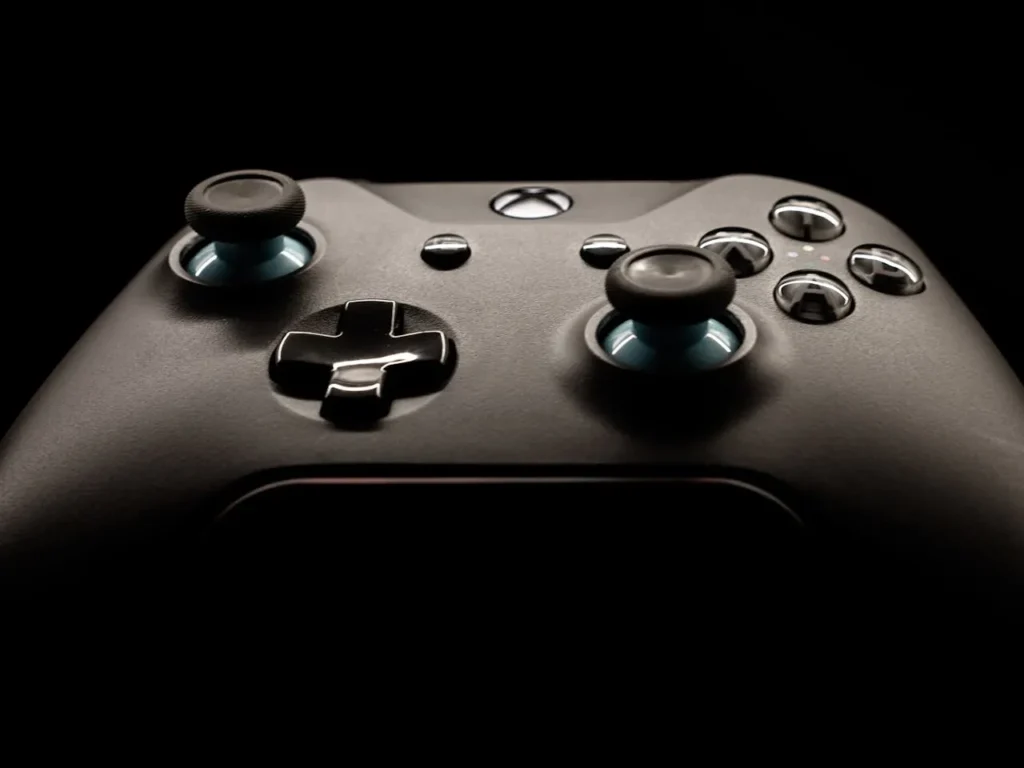
Here is a layout of the Xbox controller for your reference, often used by mod developers to use PC-based add-ons and modding files with an Xbox console gamepad controller:
| Physical Button | VK Code (Decimal) |
|---|---|
| A | 195 |
| B | 196 |
| X | 197 |
| Y | 198 |
| LB | 200 |
| RB | 199 |
| LT | 193 |
| RT | 194 |
| View | 206 |
| Menu | 207 |
| Left Stick Press | 209 |
| Right Stick Press | 210 |
| D-Pad | 201–204 |
PlayStation Controller Mapping on Windows
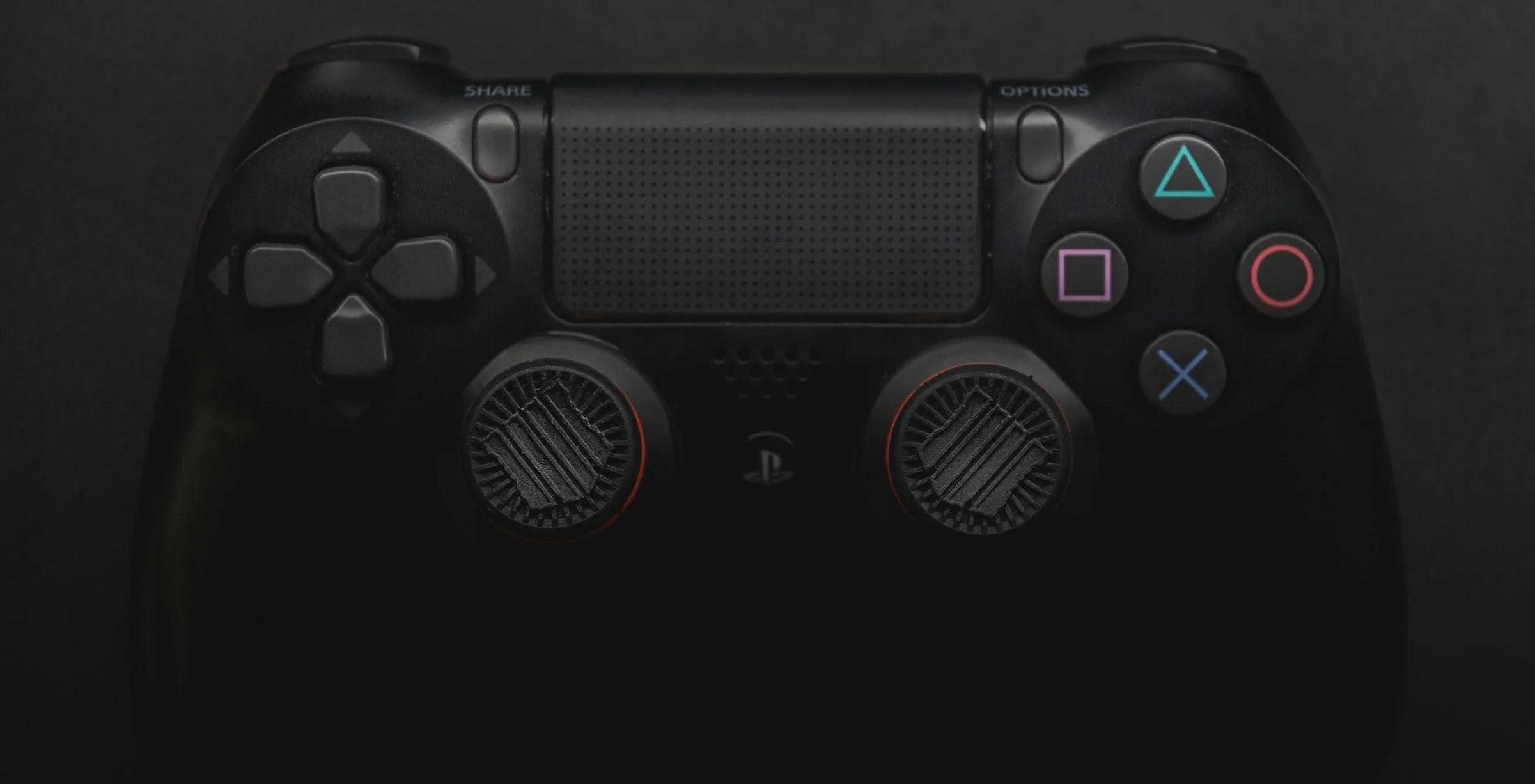
Here is a layout of the PlayStation controller for your reference, often used by mod developers to use PC-based add-ons and modding files with an PlayStation console gamepad controller:
When using:
- XInput wrapper (like DS4Windows or Steam Input) → it maps to Xbox layout above.
- Native DirectInput → buttons use numbered IDs instead of VK codes.
Typical PS → Xbox Mapping (XInput Mode)
| PlayStation Button | Mapped VK (Decimal) |
|---|---|
| Cross (X) | 195 (A) |
| Circle (O) | 196 (B) |
| Square | 197 (X) |
| Triangle | 198 (Y) |
| L1 | 200 |
| R1 | 199 |
| L2 | 193 |
| R2 | 194 |
| Share | 206 |
| Options | 207 |
| L3 | 209 |
| R3 | 210 |
| D-Pad | 201–204 |
Important Notes
- These VK codes work in:
- Raw Input
GetAsyncKeyState- Windows message handling (
WM_KEYDOWN)
- They only apply when the controller is recognized as an XInput device.
- DirectInput uses button index numbers (0–n) instead, not VK codes.

Virtual-Key Codes with Hex Value
Virtual-Key (VK) codes are constants used in Windows programming to represent keyboard keys in various APIs like GetAsyncKeyState(), GetKeyState(), and WM_KEYDOWN. These codes allow applications to detect key presses in a standardized way.
Here is a complete list of Virtual-Key (VK) codes used in Windows programming:
Mouse Buttons
| Key Name | VK Code | Hex Value |
|---|---|---|
| Left Mouse Button | VK_LBUTTON | 0x01 |
| Right Mouse Button | VK_RBUTTON | 0x02 |
| Control-break Processing | VK_CANCEL | 0x03 |
| Middle Mouse Button | VK_MBUTTON | 0x04 |
| X1 Mouse Button | VK_XBUTTON1 | 0x05 |
| X2 Mouse Button | VK_XBUTTON2 | 0x06 |
Keyboard Keys
| Key Name | VK Code | Hex Value |
|---|---|---|
| Backspace | VK_BACK | 0x08 |
| Tab | VK_TAB | 0x09 |
| Clear | VK_CLEAR | 0x0C |
| Enter/Return | VK_RETURN | 0x0D |
| Shift | VK_SHIFT | 0x10 |
| Control (Ctrl) | VK_CONTROL | 0x11 |
| Alt (Menu) | VK_MENU | 0x12 |
| Pause | VK_PAUSE | 0x13 |
| Caps Lock | VK_CAPITAL | 0x14 |
| IME Kana Mode | VK_KANA | 0x15 |
| IME Hangul Mode | VK_HANGUL | 0x15 |
| IME Junja Mode | VK_JUNJA | 0x17 |
| IME Final Mode | VK_FINAL | 0x18 |
| IME Hanja Mode | VK_HANJA | 0x19 |
| IME Kanji Mode | VK_KANJI | 0x19 |
| Escape | VK_ESCAPE | 0x1B |
| IME Convert | VK_CONVERT | 0x1C |
| IME NonConvert | VK_NONCONVERT | 0x1D |
| IME Accept | VK_ACCEPT | 0x1E |
| IME Mode Change Request | VK_MODECHANGE | 0x1F |
| Spacebar | VK_SPACE | 0x20 |
| Page Up | VK_PRIOR | 0x21 |
| Page Down | VK_NEXT | 0x22 |
| End | VK_END | 0x23 |
| Home | VK_HOME | 0x24 |
| Left Arrow | VK_LEFT | 0x25 |
| Up Arrow | VK_UP | 0x26 |
| Right Arrow | VK_RIGHT | 0x27 |
| Down Arrow | VK_DOWN | 0x28 |
| Select | VK_SELECT | 0x29 |
| VK_PRINT | 0x2A | |
| Execute | VK_EXECUTE | 0x2B |
| Print Screen | VK_SNAPSHOT | 0x2C |
| Insert | VK_INSERT | 0x2D |
| Delete | VK_DELETE | 0x2E |
| Help | VK_HELP | 0x2F |
Number and Letter Keys
| Key Name | VK Code | Hex Value |
|---|---|---|
| 0-9 Keys | VK_0 – VK_9 | 0x30 – 0x39 |
| A-Z Keys | VK_A – VK_Z | 0x41 – 0x5A |
Windows and Application Keys
| Key Name | VK Code | Hex Value |
|---|---|---|
| Left Windows Key | VK_LWIN | 0x5B |
| Right Windows Key | VK_RWIN | 0x5C |
| Applications Key | VK_APPS | 0x5D |
| Sleep Key | VK_SLEEP | 0x5F |
Numeric Keypad (Numpad) Keys
| Key Name | VK Code | Hex Value |
|---|---|---|
| Numpad 0 | VK_NUMPAD0 | 0x60 |
| Numpad 1 | VK_NUMPAD1 | 0x61 |
| Numpad 2 | VK_NUMPAD2 | 0x62 |
| Numpad 3 | VK_NUMPAD3 | 0x63 |
| Numpad 4 | VK_NUMPAD4 | 0x64 |
| Numpad 5 | VK_NUMPAD5 | 0x65 |
| Numpad 6 | VK_NUMPAD6 | 0x66 |
| Numpad 7 | VK_NUMPAD7 | 0x67 |
| Numpad 8 | VK_NUMPAD8 | 0x68 |
| Numpad 9 | VK_NUMPAD9 | 0x69 |
| Multiply (*) | VK_MULTIPLY | 0x6A |
| Add (+) | VK_ADD | 0x6B |
| Separator | VK_SEPARATOR | 0x6C |
| Subtract (-) | VK_SUBTRACT | 0x6D |
| Decimal (.) | VK_DECIMAL | 0x6E |
| Divide (/) | VK_DIVIDE | 0x6F |
Function Keys (F1-F24)
| Key Name | VK Code | Hex Value |
|---|---|---|
| F1 – F12 | VK_F1 – VK_F12 | 0x70 – 0x7B |
| F13 – F24 | VK_F13 – VK_F24 | 0x7C – 0x87 |
Lock Keys
| Key Name | VK Code | Hex Value |
|---|---|---|
| Num Lock | VK_NUMLOCK | 0x90 |
| Scroll Lock | VK_SCROLL | 0x91 |
Media Control and Special Keys
| Key Name | VK Code | Hex Value |
|---|---|---|
| Left Shift | VK_LSHIFT | 0xA0 |
| Right Shift | VK_RSHIFT | 0xA1 |
| Left Ctrl | VK_LCONTROL | 0xA2 |
| Right Ctrl | VK_RCONTROL | 0xA3 |
| Left Alt | VK_LMENU | 0xA4 |
| Right Alt | VK_RMENU | 0xA5 |
| Browser Back | VK_BROWSER_BACK | 0xA6 |
| Browser Forward | VK_BROWSER_FORWARD | 0xA7 |
| Browser Refresh | VK_BROWSER_REFRESH | 0xA8 |
| Browser Stop | VK_BROWSER_STOP | 0xA9 |
| Browser Search | VK_BROWSER_SEARCH | 0xAA |
| Browser Favorites | VK_BROWSER_FAVORITES | 0xAB |
| Browser Home | VK_BROWSER_HOME | 0xAC |
| Volume Mute | VK_VOLUME_MUTE | 0xAD |
| Volume Down | VK_VOLUME_DOWN | 0xAE |
| Volume Up | VK_VOLUME_UP | 0xAF |
| Media Next Track | VK_MEDIA_NEXT_TRACK | 0xB0 |
| Media Previous Track | VK_MEDIA_PREV_TRACK | 0xB1 |
| Media Stop | VK_MEDIA_STOP | 0xB2 |
| Media Play/Pause | VK_MEDIA_PLAY_PAUSE | 0xB3 |
OEM Keys (Special Characters)
| Key Name | VK Code | Hex Value |
|---|---|---|
| OEM 1 (;) | VK_OEM_1 | 0xBA |
| OEM Plus (+) | VK_OEM_PLUS | 0xBB |
| OEM Comma (,) | VK_OEM_COMMA | 0xBC |
| OEM Minus (-) | VK_OEM_MINUS | 0xBD |
| OEM Period (.) | VK_OEM_PERIOD | 0xBE |
| OEM 2 (/) | VK_OEM_2 | 0xBF |
| OEM 3 (`~) | VK_OEM_3 | 0xC0 |
| OEM 4 ([) | VK_OEM_4 | 0xDB |
| OEM 5 (|) | VK_OEM_5 | 0xDC |
| OEM 6 (]) | VK_OEM_6 | 0xDD |
| OEM 7 (‘’/”) | VK_OEM_7 | 0xDE |
This is the full list of Virtual-Key codes used in Windows.
Conclusion
Virtual-Key Codes are essential for Windows applications that handle keyboard inputs. Whether you’re a developer working with key events or a gamer setting up key bindings, understanding these codes can improve efficiency and functionality.